

The Enterprise 5.0 Blueprint
October 2026 Issue
ANNOUNCEMENTS
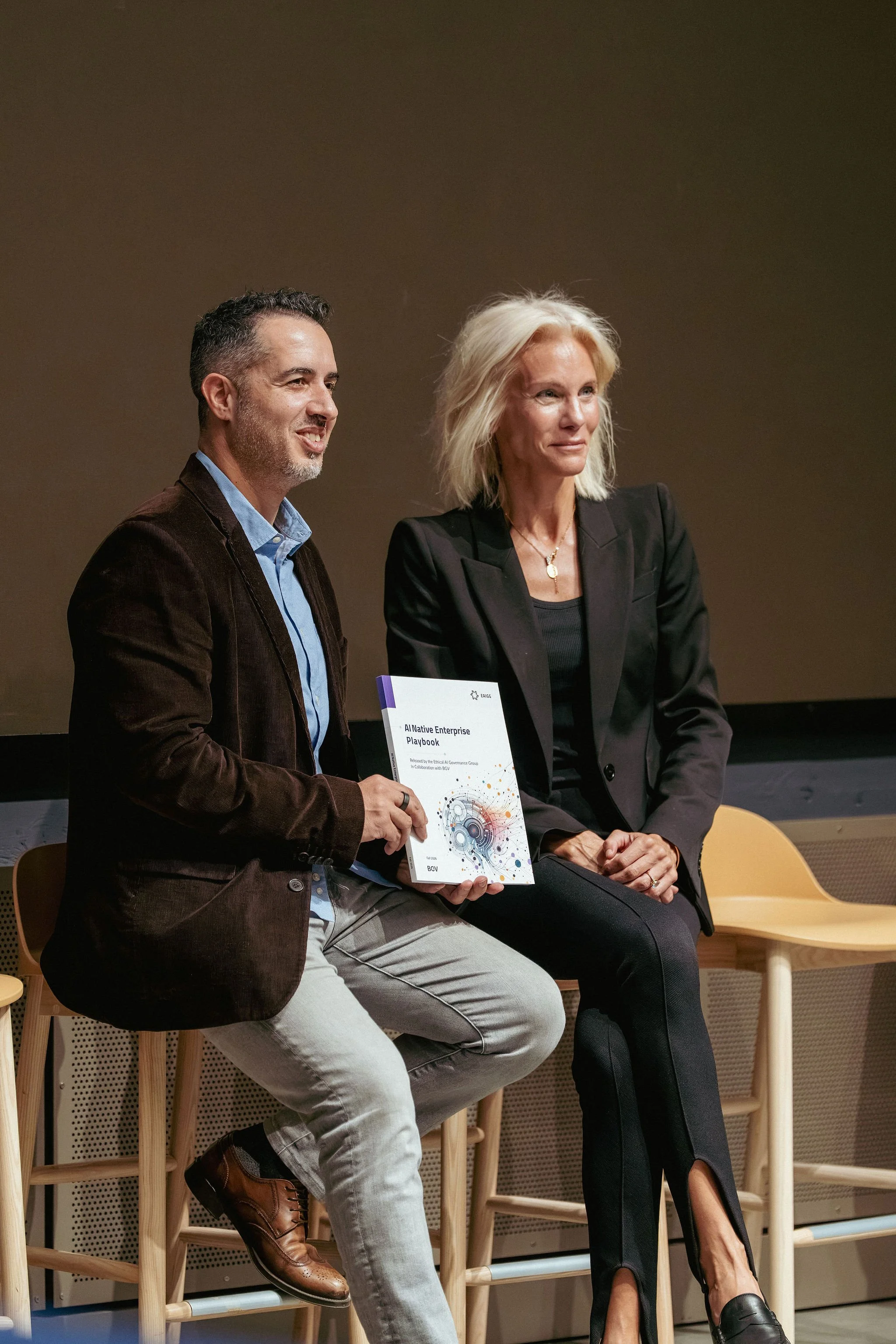
Fourth Edition of the AI Native Enterprise Playbook Released at the Physical AI Summit in Silicon Valley
Unveiled September 24 at the invite-only Physical AI Summit in Menlo Park, co-hosted by EAIGG, NVIDIA, Grid Dynamics, and Wells Fargo, the new edition reflects a market shift: enterprise AI success now depends less on access to better models and more on restructuring operations around intelligence. It covers use-case identification, ROI measurement, workflow redesign, pricing, organizational design, and governance.
THOUGHT LEADERSHIP
Three Forces at Two Altitudes
As we redesign enterprises, and societies at large, around intelligence, three critical decisions emerge: where does value actually live? what architectures fit those workflows? and how do you gain agency over critical dependencies? We call these forces value pools, hybrid architectures, and sovereignty, and the order matters. Nations are running the same exercise at a different altitude: strategic industries, purpose-built national capacity, then sovereignty.
The winners, the essay concludes, won't be those with the most models, the largest data centers or the biggest budgets. They'll be the ones who know where their advantage lives and turn data, digital labor and feedback loops into compounding intelligence faster than everyone else.

FEATURED ARTICLES
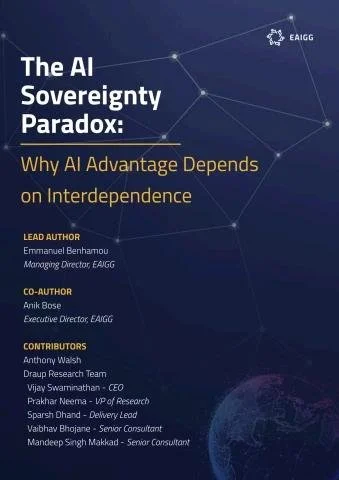
The AI Sovereignty Paradox: Why AI Advantage Depends on Interdependence
Fully sovereign AI ecosystems are getting harder to build as frontier infrastructure concentrates in a few places, led by the U.S. and increasingly China. That creates the AI Sovereignty Paradox: advantage depends not on complete independence, but on the ability to participate in, shape, and benefit from trusted networks of interdependence.
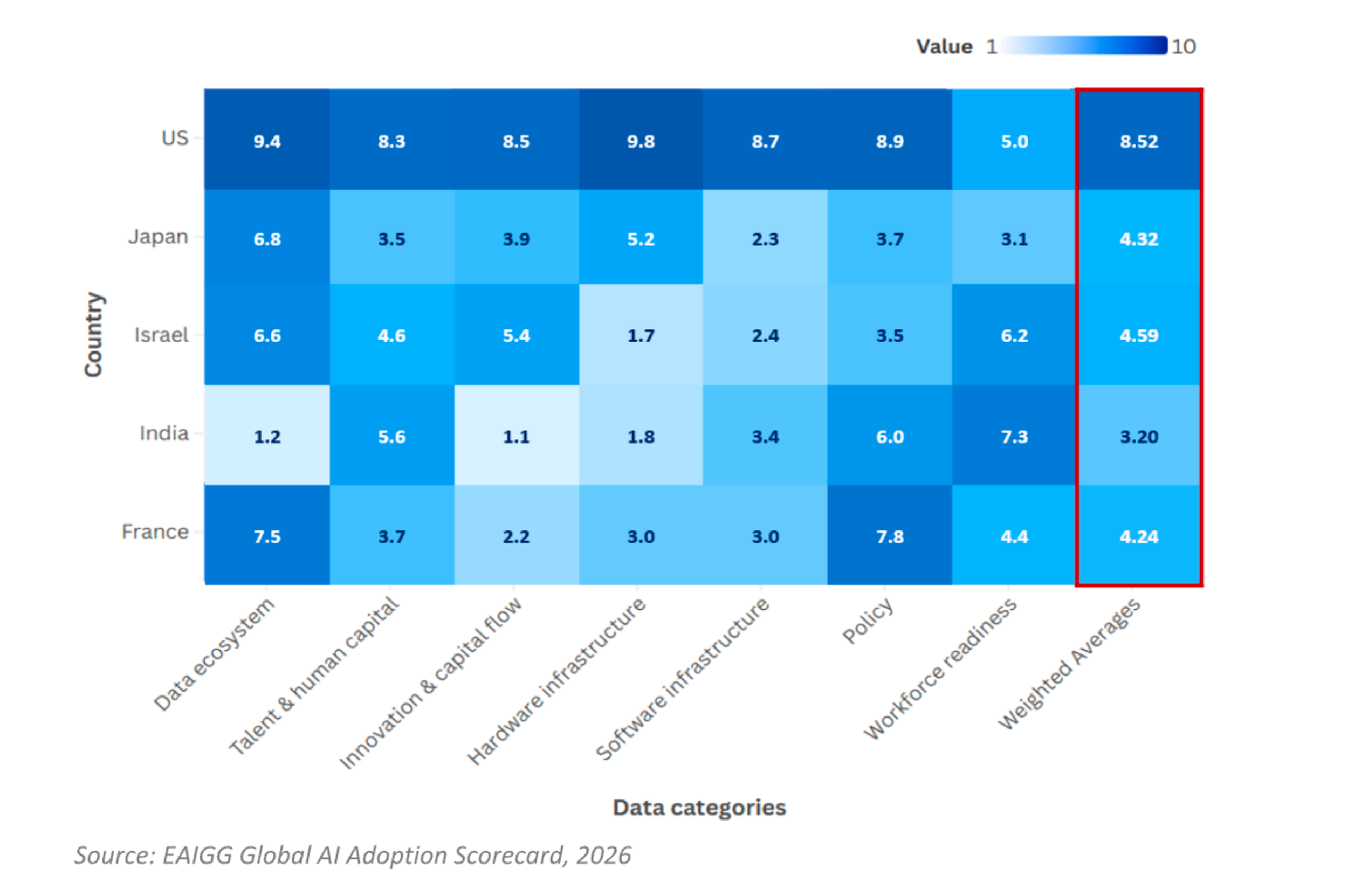
The new Enterprise AI Governance Group report introduces the Global AI Adoption Scorecard, comparing five countries across seven dimensions. Its central finding: deployment velocity, not just compute, determines who wins.
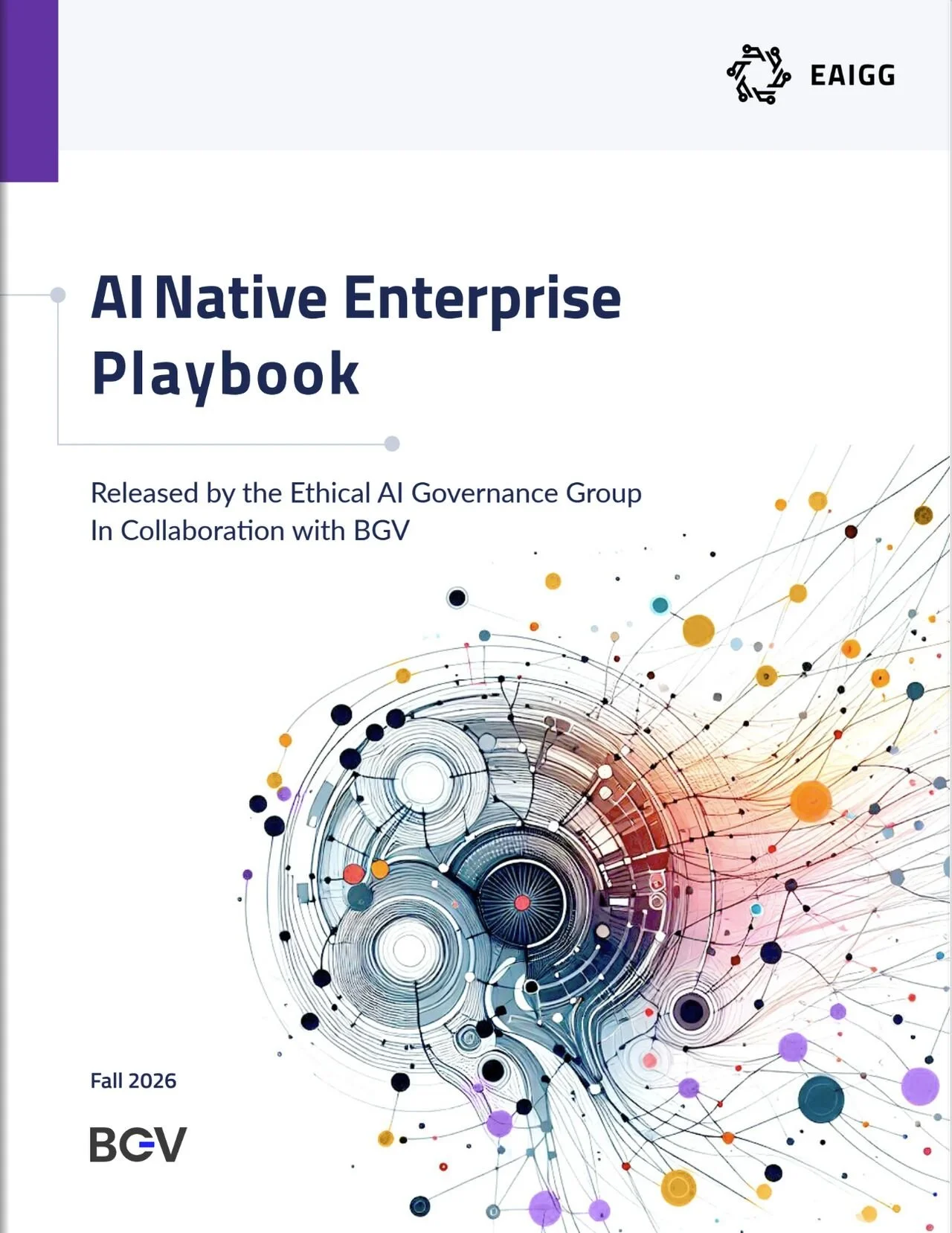
AI Isn't a Tech Problem. It's an Operating Model Overhaul.
From the AI Native Enterprise Playbook, Fourth Edition
Every technology wave rewards companies that redesign instead of retrofit, and the shift from cloud-native to AI native is the next. The Playbook's opening pages argue that AI adoption is no longer the question. The question is which companies reorganize around it. Its first article shows why most enterprises have plenty of AI activity but little transformation, and what the ones pulling ahead do differently.
EAIGG MEMBER SPOTLIGHTS

Krishna Gade
Founder & CEO, Fiddler AI
Krishna Gade leads Fiddler AI, a unified control plane for enterprise AI that monitors, evaluates, sets guardrails, and governs AI agents and models. Before founding Fiddler, he led engineering teams at Meta, Pinterest, X, and Microsoft. He writes regularly on agent safety and trust. His recent argument is that governance has to begin where agents act, not after they're deployed.
"Enterprises don't just need AI, they need AI they can trust... AI native startups must think beyond the model and focus on transparency, compliance, and seamless integration."
His message fits the theme of this issue. As agents move into production, governance and trust decide who actually gets to scale.
Global AI Adoption
Asymmetric Advantages: Five Countries, Five Paths
The Global AI Adoption Scorecard evaluates five national ecosystems across seven dimensions, from talent and infrastructure to capital flow and policy. Each country represents a distinct path to AI competitiveness:
United States represents the dominant full-stack ecosystem, leading in infrastructure, platforms, capital, and deployment.
Israel brings outsized influence from concentrated innovation density and global capital flows, and deep integration across high velocity tech ecosystems.
France leverages strengths in institutional coordination, deep data sets, governance maturity, and trusted deployments, alongside key industries, such as nuclear tech.
Japan boasts excellence in precision engineering, industrial infrastructure, robotics and manufacturing, a natural fit for physical AI.
India draws growing advantage from workforce scale and deployment capacity.
None of these countries follow the same playbook. For most, the question is no longer how to recreate Silicon Valley, but how to preserve and amplify the strengths they already have. Those strengths turn into lasting advantage when they connect to global networks of capital, compute, and talent, and when workforces and institutions are ready to move AI from pilot to production.
FEATURED EVENTS
INSEAD FORUM FOR THE AMERICAS
SEPTEMBER 18, 2026
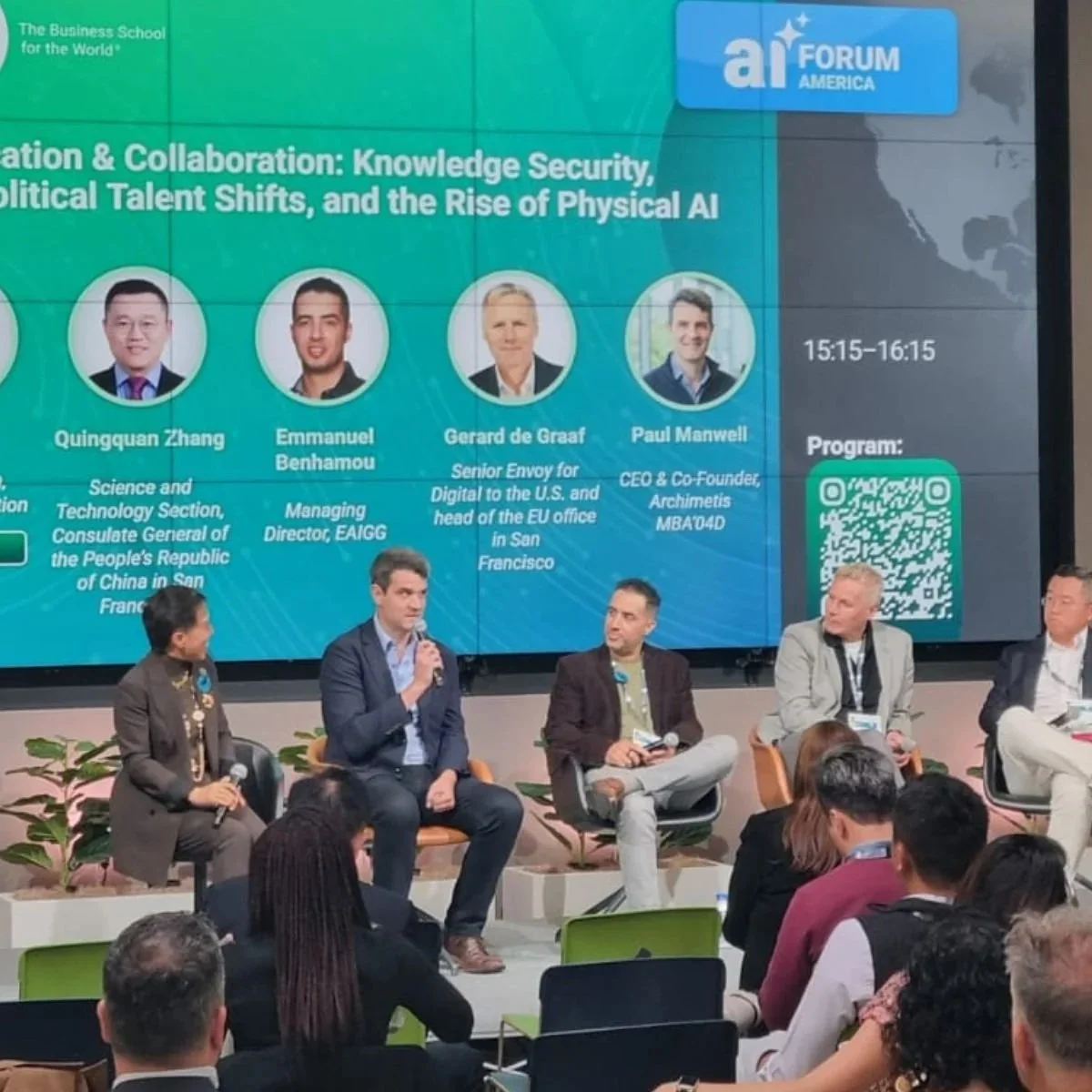
EAIGG's Emmanuel Benhamou joined a panel on "Bifurcation & Collaboration: Knowledge Security, Geopolitical Talent Shifts, and the Rise of Physical AI." Alongside Archimetis CEO Paul Manwell and diplomats from the EU and China, the discussion centered on AI sovereignty as agency over critical dependencies and on why deployment velocity may matter more than any single input.
HUMANX AMSTERDAM
SEPTEMBER 22, 2026
EAIGG joined HumanX Amsterdam, the AI conference for decision-makers, where builders, investors, corporate leaders and policymakers gathered to talk about implementation and Europe's role in the global AI race.
UPCOMING EVENTS
PHYSICAL AI SUMMIT
SEPTEMBER 24, 2026
EAIGG co-hosted this invite-only summit with NVIDIA, Grid Dynamics, and Wells Fargo, in collaboration with BGV. Around 50 to 65 founders, enterprise leaders, and investors explored "From World Models to Real-World Control," covering robotics, an investor panel, startup showcases, and the move from pilot to production. It was also where the Playbook's Fourth Edition launched.

OSAKA GLOBAL EXPO
OCTOBER 5-7, 2026
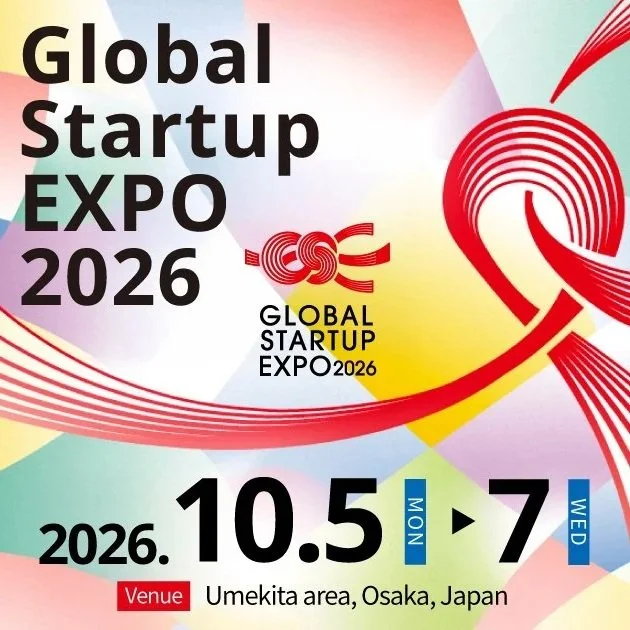
This week, Osaka hosts one of Asia's largest deep-tech startup events, bringing together startups, investors, corporations, and government on themes including AI, advanced robotics, and semiconductors. It's the backdrop for the next phase of EAIGG's work in Japan.
NORDIC EXECUTIVE "LUNCH 'N LISTEN"
OCTOBER 12, 2026 | STOCKHOLM
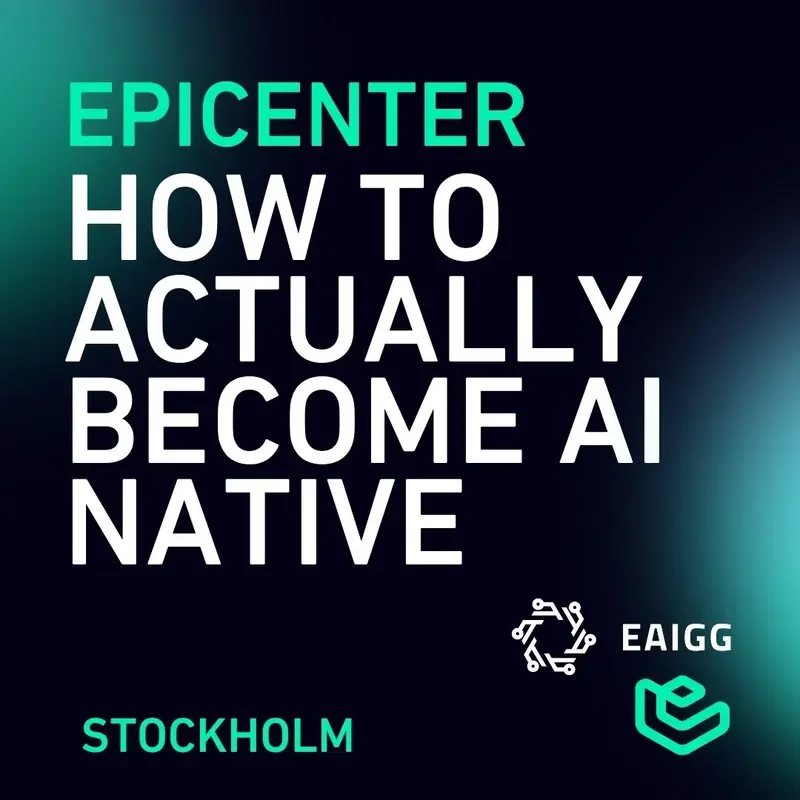
Join Anna Felländer for a lunch-and-listen on the Playbook. She'll cover how founders and enterprise leaders can build AI-native operations from the start, rather than layering AI onto old processes. Runs from 11:30 to 13:00.