

The Enterprise 5.0 Blueprint
October 2026 Issue
Announcements
EAIGG Launches Japan Network to Advance Trusted AI and Enterprise Transformation
The Enterprise AI Governance Group has launched in Japan, connecting Japanese leaders with its global AI ecosystem through a series of executive engagements. Led by Professor Tsutomu (Tom) Nakano of Aoyama Business School, the program began with an Engineering Trust in AI panel in Osaka and centers on Intelligent Kaizen: extending continuous improvement into continuous enterprise learning.

Thought Leadership
Why AI Infrastructure Alone Won't Make Companies or Countries AI Native
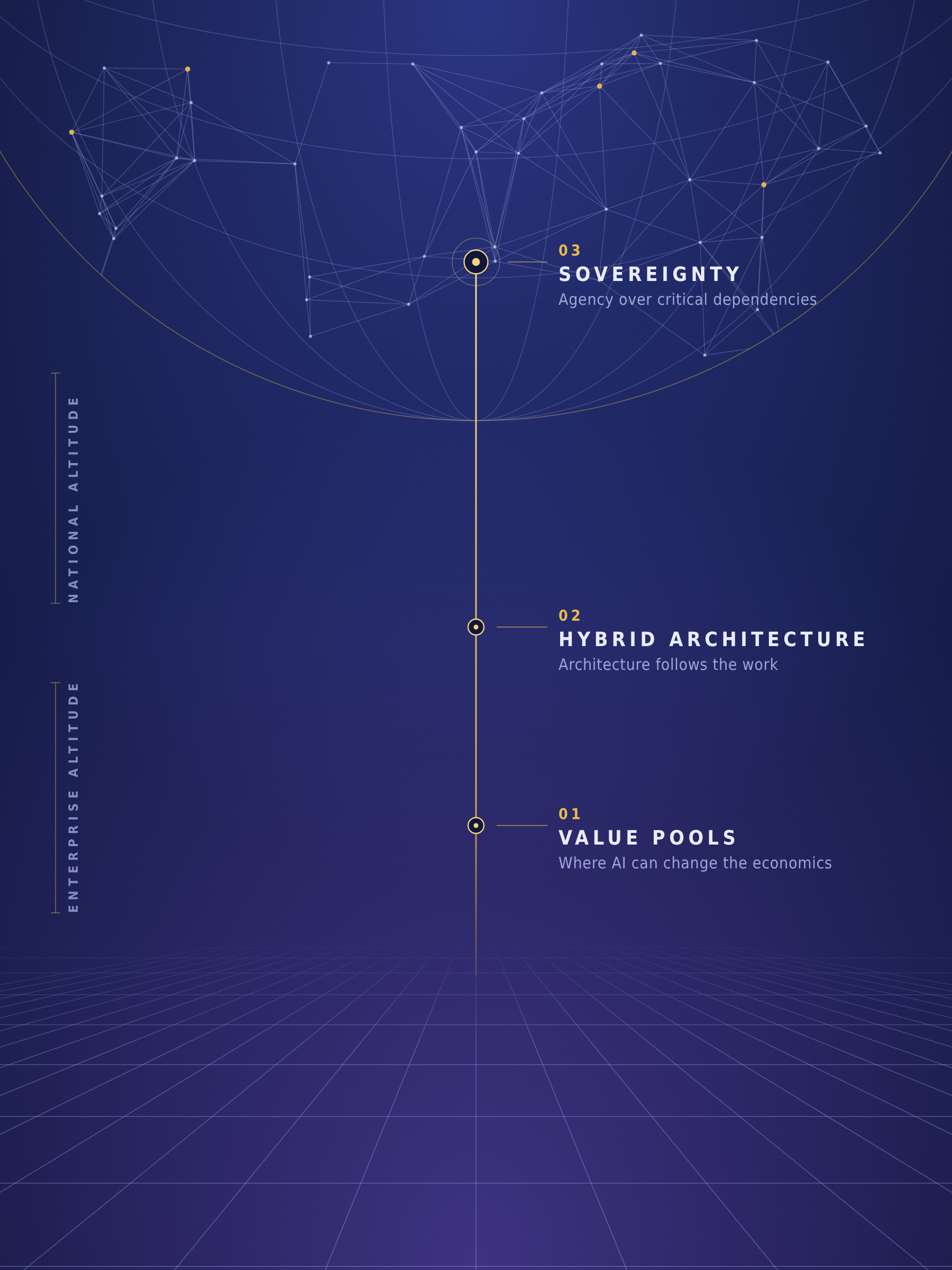
As enterprises and nations race to build AI infrastructure, a harder question emerges: does infrastructure alone make an organization AI native? Compute and data centers are the starting line. What separates the AI native is what runs on top of them: proprietary data, intellectual property, intelligence, and the operational workflows that turn all three into results. Companies and countries face the same test, just at different altitudes.
The argument, drawn from the master plan, is that becoming AI native is earned through what you own and how you operate, not through what you buy. The leaders will be those who know where their advantage lives and build it into how work actually gets done.
(DRAFTED BASED ON TITLE ALONE)
Featured Articles
Why $30 Billion in Infrastructure Doesn't Buy Independence
From the CNAS Sovereign AI Index
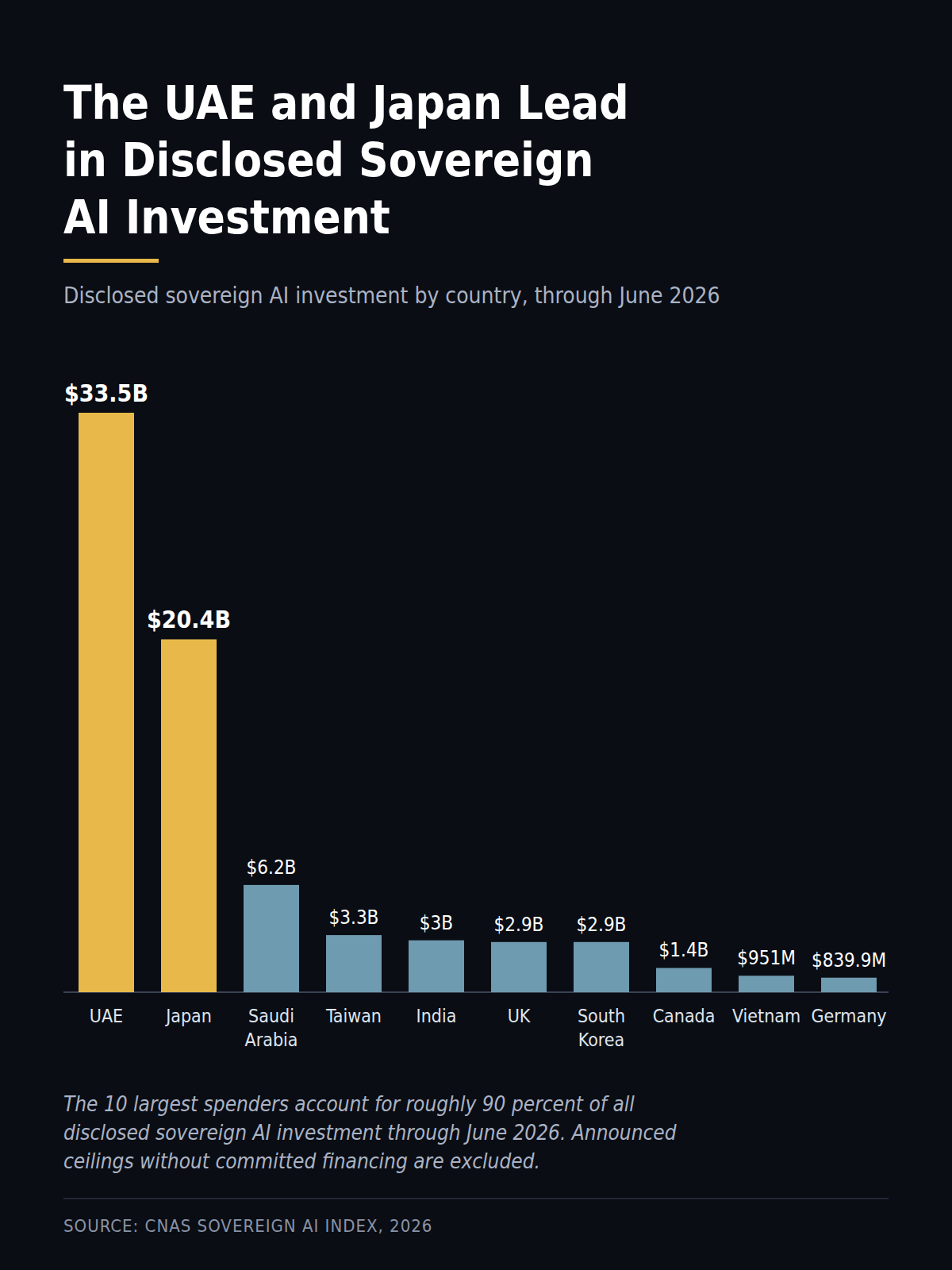
The UAE and Japan together account for nearly two-thirds of publicly disclosed sovereign AI investment, according to the CNAS Sovereign AI Index, which tracks 184 projects worldwide. Spending is highly concentrated: the ten largest spenders account for roughly 90 percent of the total, and the Middle East and East Asia together make up more than 80 percent.
But money has not bought independence. More than three-fifths of tracked projects disclose at least one foreign partner, and four-fifths of those involve a U.S. company. Most sovereign AI projects still depend on foreign providers.
What the Physical AI Summit Actually Proved
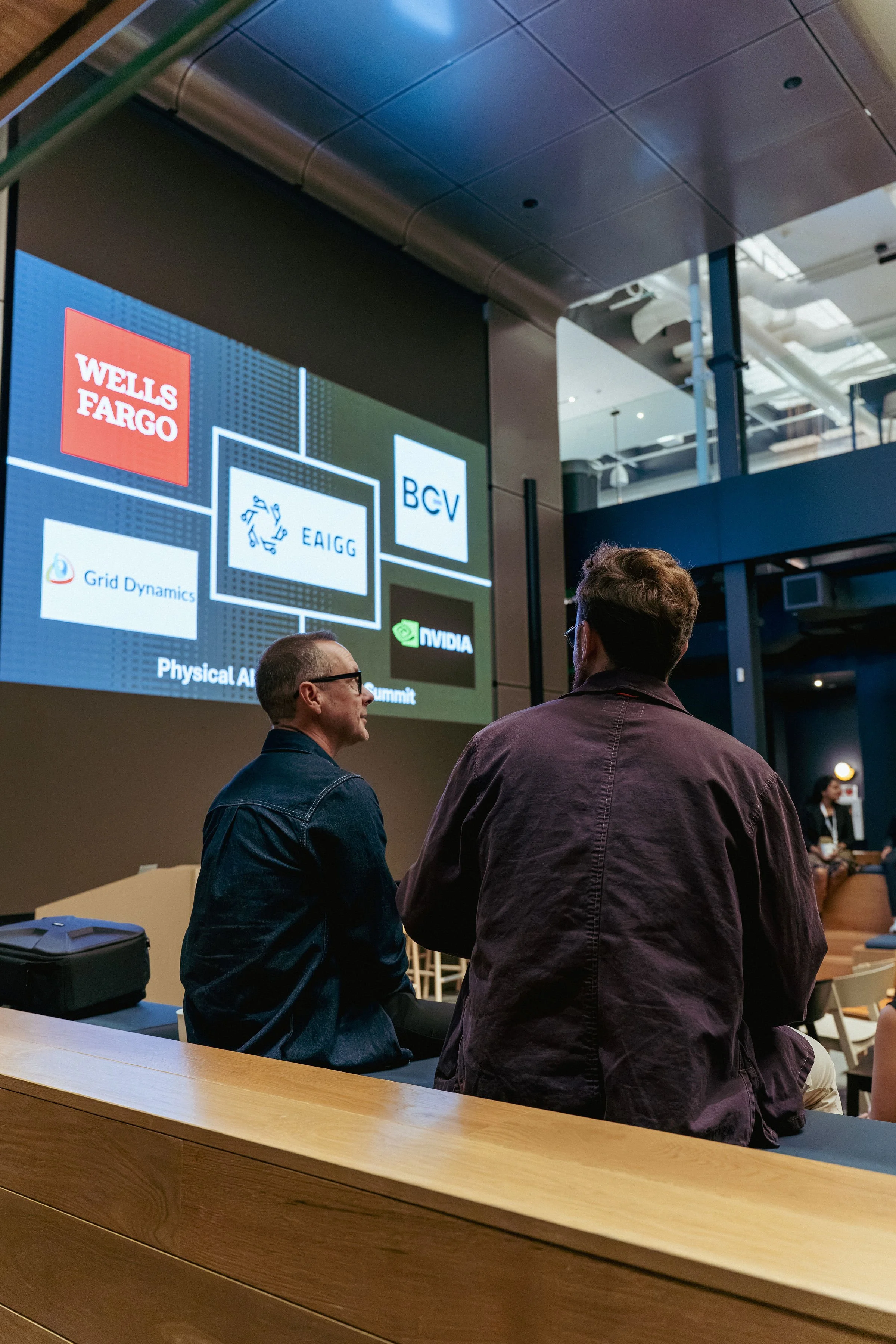
The summit's clearest lesson was about what stands between a demo and production. Ilya Katsov, CTO, Americas at Grid Dynamics, put it plainly: "Nearly every manufacturing company we talk to runs Physical AI pilots. Far fewer have gotten one to perform reliably in a production environment." The panels that tried to bridge that gap kept hitting the same wall. It wasn't compute or the model; it was the proprietary operational data and workflow discipline needed to run on a real factory floor.
Member Spotlight

Krishna Gade
HR Executive
Val Rupp is an HR and enterprise transformation executive who works at the intersection of workforce strategy, organizational redesign, and AI-enabled change. Rupp has served as Chief People Officer at Fabric and led enterprise transformation at HPE, after earlier HR leadership at Microsoft. Today Rupp advises a Fortune 500 energy company on AI transformation and workforce readiness.
"Competitive advantage will no longer come from simply attracting exceptional people, but from designing organizations where human judgment, intelligent systems, and new ways of working amplify one another."
This point fits the theme of this issue: becoming AI native takes more than infrastructure. It takes redesigning how people and intelligent systems work together.
Global AI Adoption
Japan: Built for Industrial AI
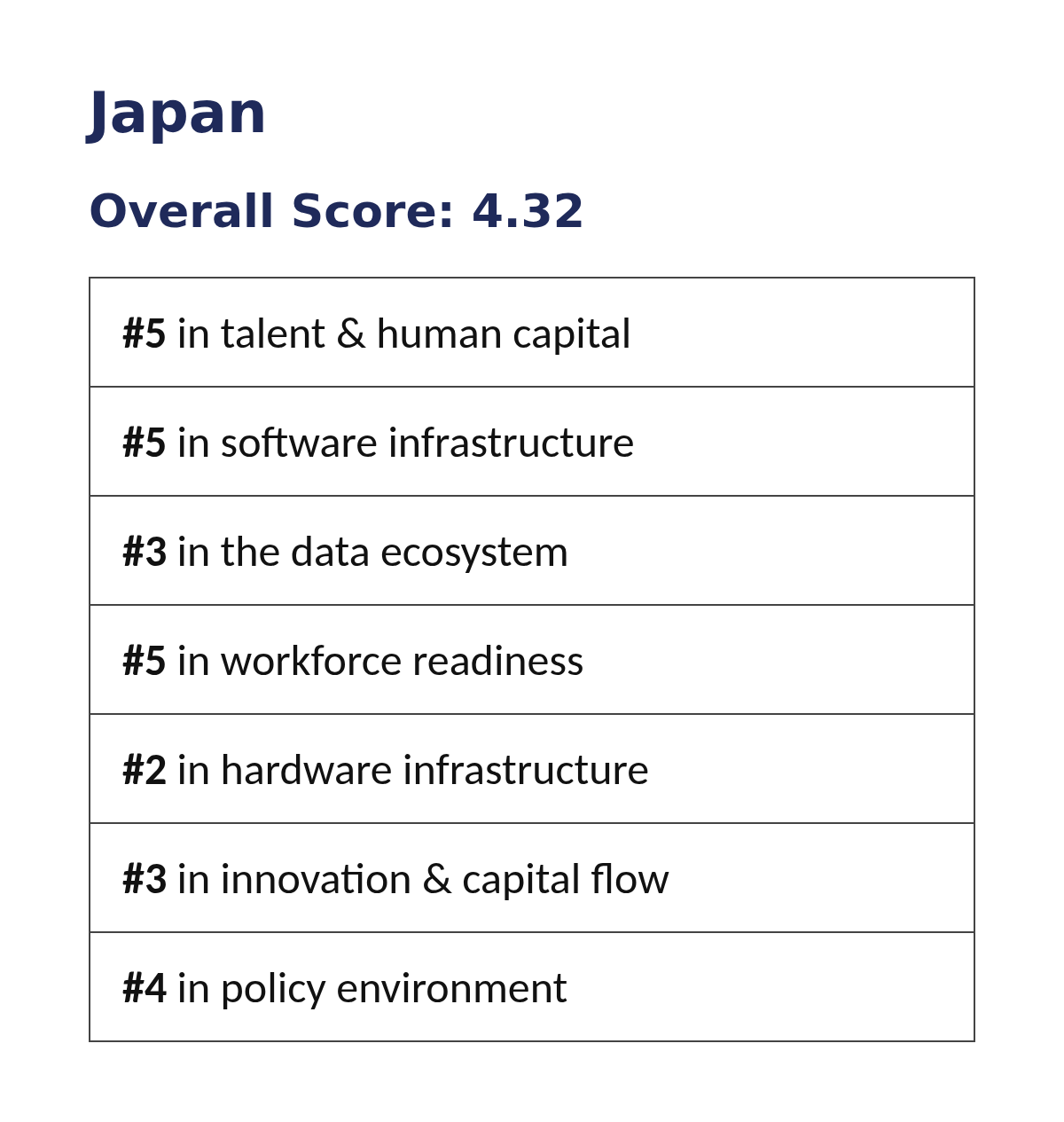
Japan's AI ecosystem combines strong industrial infrastructure, hardware capability, enterprise operational environments, and advanced manufacturing systems.
The country performs particularly well in hardware infrastructure, industrial systems integration, robotics ecosystems, semiconductor capability, and enterprise operational maturity. Japan also benefits from strong institutional trust, advanced manufacturing infrastructure, and highly developed enterprise environments that can integrate AI into industrial workflows.
Japan's semiconductor ecosystem remains an important part of the global supply chain for AI-related hardware. While companies in other regions design many advanced AI chips, Japanese companies play a critical role in semiconductor materials, manufacturing equipment, and fabrication technologies that support global chip production.
Japan's ecosystem also reflects a broader strategic advantage often underrepresented in conventional AI rankings: the ability to integrate AI into complex physical and industrial systems at scale.
Featured Events
INSEAD FORUM FOR THE AMERICAS
SEPTEMBER 18, 2026
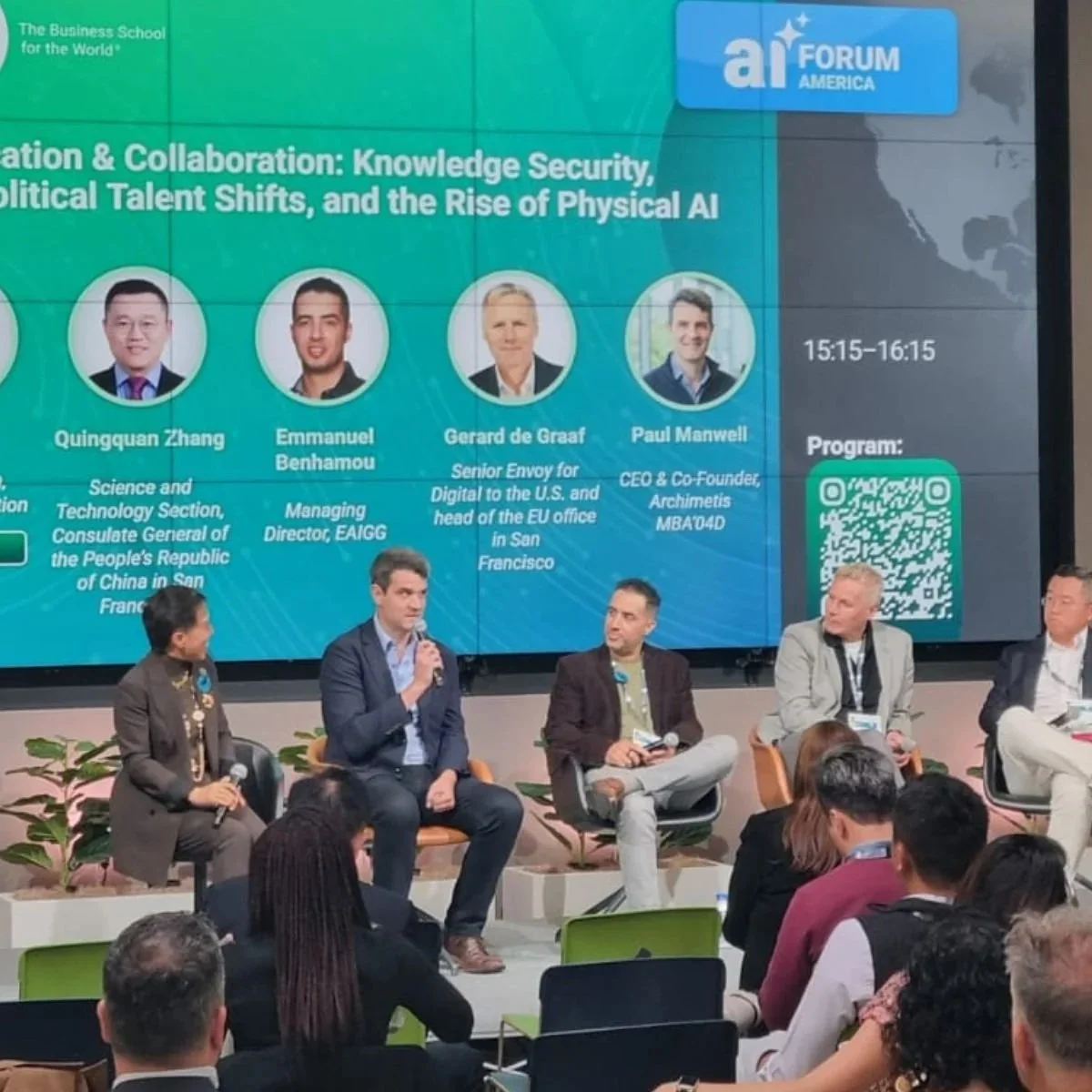
EAIGG's Emmanuel Benhamou joined a panel on "Bifurcation & Collaboration: Knowledge Security, Geopolitical Talent Shifts, and the Rise of Physical AI." Alongside Archimetis CEO Paul Manwell and diplomats from the EU and China, the discussion centered on AI sovereignty as agency over critical dependencies and on why deployment velocity may matter more than any single input.

HUMANX AMSTERDAM
SEPTEMBER 22, 2026
EAIGG joined HumanX Amsterdam, the AI conference for decision-makers, where builders, investors, corporate leaders and policymakers gathered to talk about implementation and Europe's role in the global AI race.
PHYSICAL AI SUMMIT
SEPTEMBER 24, 2026
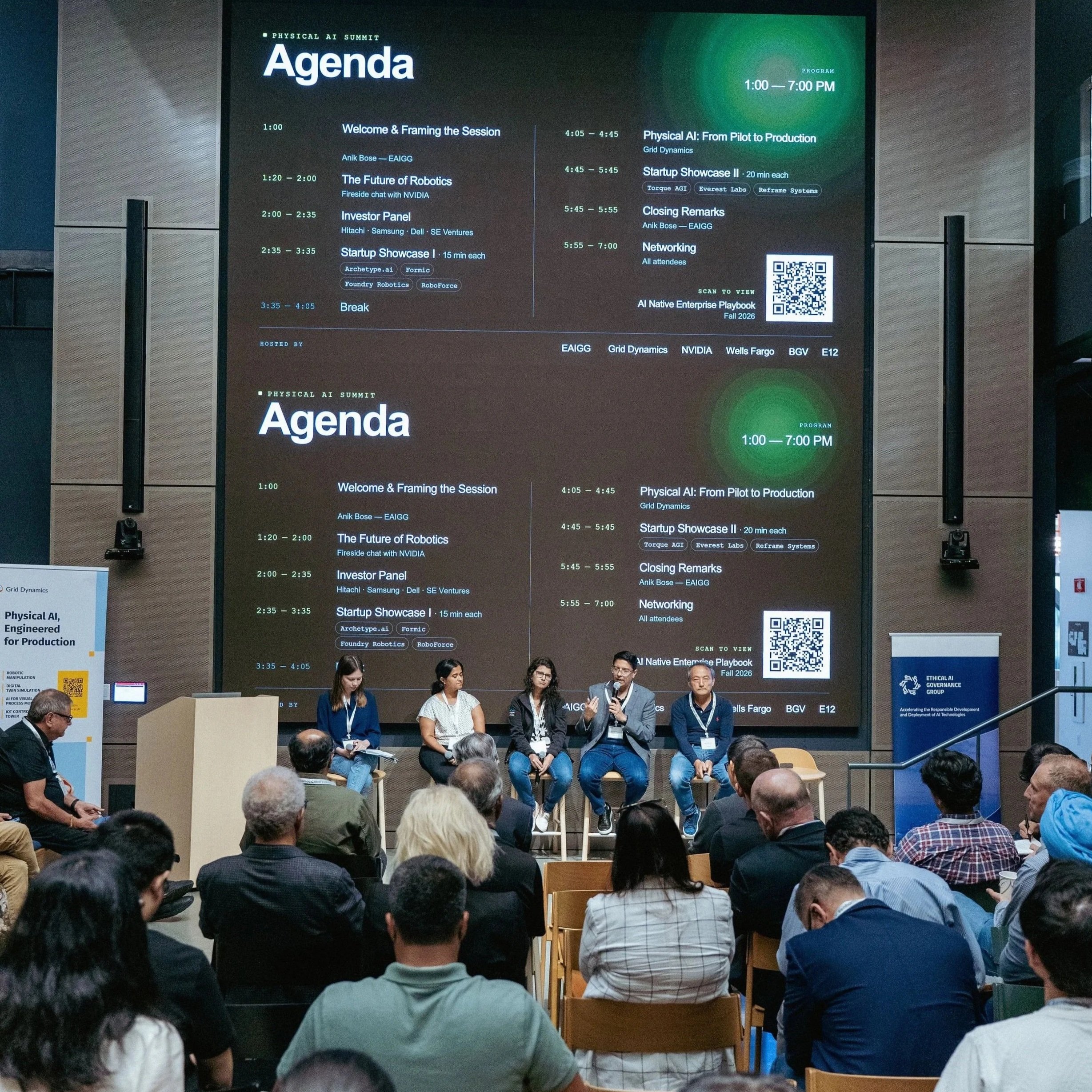
EAIGG co-hosted this invite-only summit with NVIDIA, Grid Dynamics, and Wells Fargo, in collaboration with BGV. Around 50 to 65 founders, enterprise leaders, and investors explored "From World Models to Real-World Control," covering robotics, an investor panel, startup showcases, and the move from pilot to production. It was also where the Playbook's Fourth Edition launched.

OSAKA GLOBAL EXPO
OCTOBER 5-7, 2026
This week, Osaka hosts one of Asia's largest
deep-tech startup events, bringing together startups, investors, corporations, and government on themes including AI, advanced robotics, and semiconductors. It's the backdrop for the next phase of EAIGG's work in Japan.

NORDIC EXECUTIVE
"LUNCH 'N LISTEN"
OCTOBER 12, 2026 | STOCKHOLM
Join Anna Felländer for a lunch-and-listen on the Playbook. She'll cover how founders and enterprise leaders can build AI-native operations from the start, rather than layering AI onto old processes. Runs from 11:30 to 13:00.